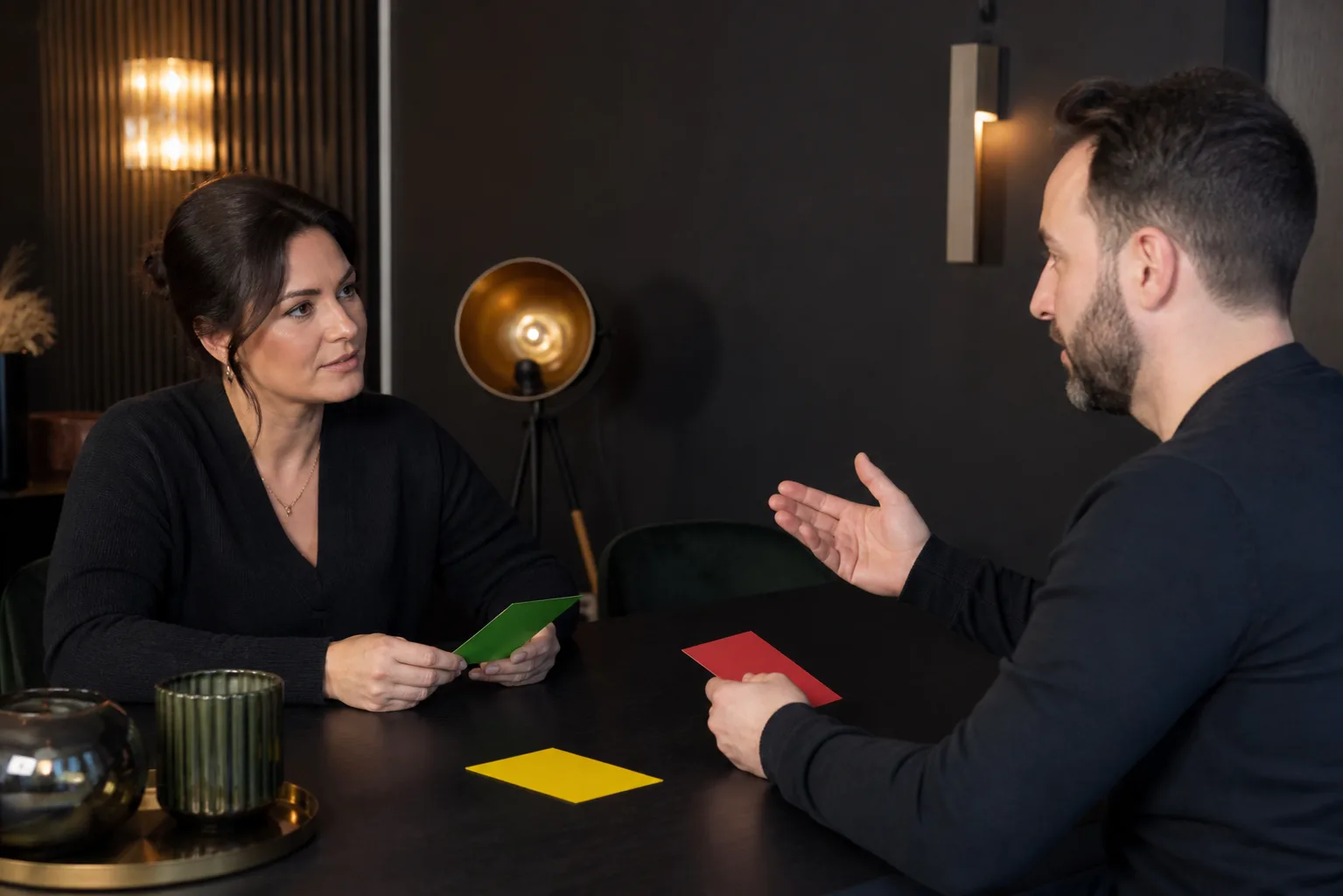
BDSM is often introduced through dark rooms, leather, rope, and commanding voices. Attractive imagery, certainly—but if that is all someone knows, they know the costume rather than the culture.
It can include bondage and discipline, dominance and submission, and sadism and masochism, but many participants focus on only one area.
For some adults it is sexual; for others it is relational, ritualized, playful, or primarily psychological.
The Common Foundation
Consent, communication, and risk awareness matter more than dramatic equipment.
Participants discuss interests, limits, health concerns, privacy, and ways to stop.
A scene that looks intense may be carefully negotiated, while a seemingly mild interaction can be unethical if consent is absent.
Power Is Negotiated
Dominance is not unrestricted authority. Submission is not permanent permission.
The scope may last one scene, certain activities, or an ongoing relationship, but it remains bounded by agreement.
Titles never erase legal rights, bodily autonomy, or the ability to withdraw.
Risk Cannot Be Made Zero
BDSM involves physical and emotional risks, so responsible adults learn before acting.
Different communities use frameworks such as SSC, RACK, or PRICK to discuss responsibility.
These frameworks guide conversation; they do not certify every activity as safe.
What the Letters Usually Represent
The acronym commonly gathers three overlapping pairs: Bondage and Discipline, Dominance and Submission, and Sadism and Masochism. Not every participant enjoys every area.
Bondage concerns restraint; discipline may involve agreed rules or consequences. Dominance and submission focus on authority. Sadism and masochism describe consensual enjoyment of giving or receiving certain intense sensations.
These descriptions are starting points, not permission slips. Interest in one activity does not imply consent to another.
Scenes and Relationships Are Different
A scene is a defined period of activity. A relationship may carry negotiated power across a longer part of life. Some adults enjoy occasional scenes without using identity labels; others build ongoing dynamics with rituals and responsibilities.
Neither approach is more authentic. What matters is whether expectations match. A person seeking a one-evening role-play should not be pressured into permanent authority, and somebody seeking an ongoing dynamic deserves honest discussion rather than vague promises.
BDSM Is Not an Excuse for Abuse
Abuse relies on fear, isolation, coercion, or disregard for autonomy. BDSM relies on informed adults intentionally creating a bounded experience.
The visible action alone cannot tell you which one is present. Look for negotiation, the ability to stop, privacy protection, accountability, and care afterward.
If somebody says “real submissives never refuse,” step back. That sentence is not dominance; it is an attempt to remove informed choice.