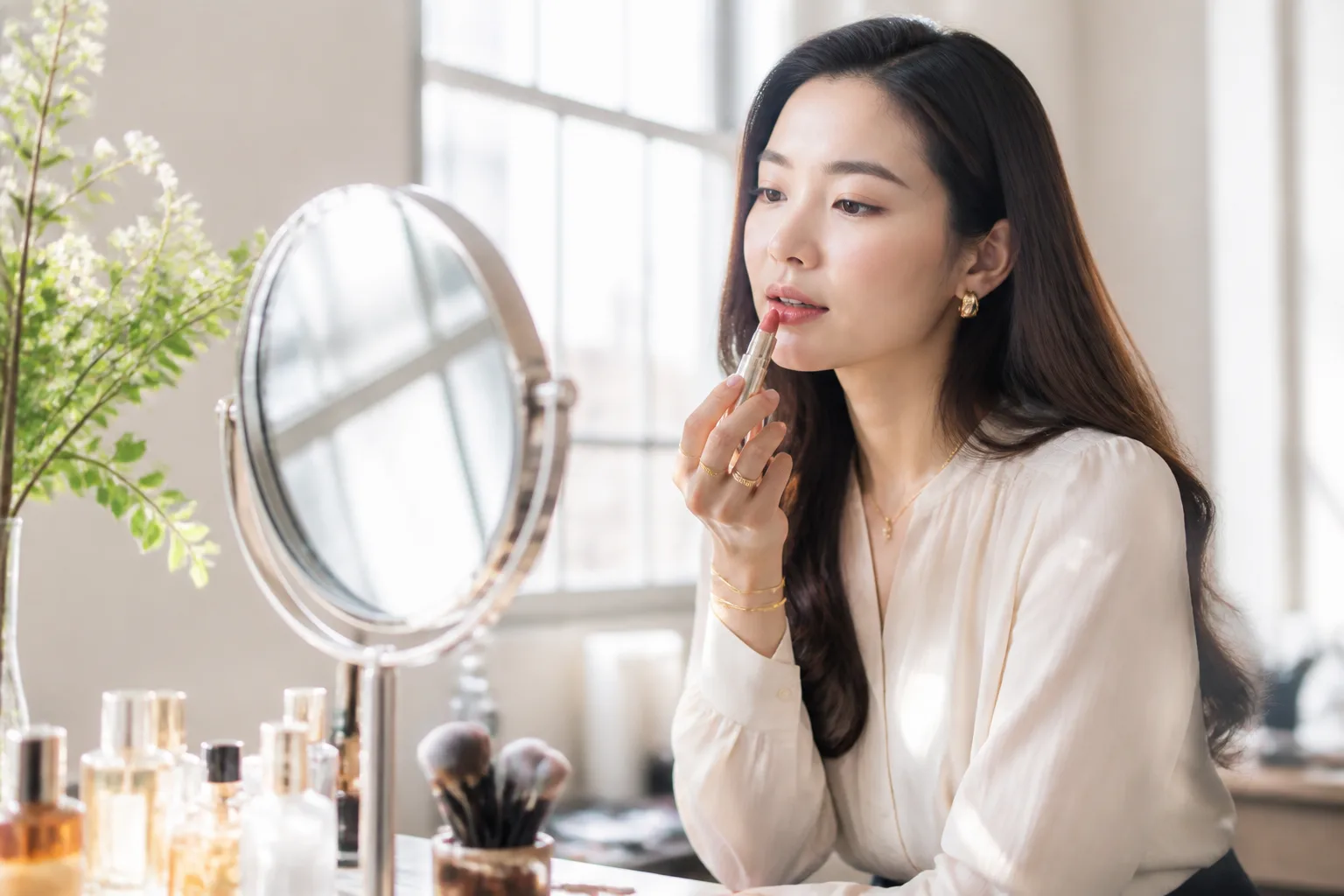
Feminization can feel powerful because it rarely touches only one desire. Beauty may mix with surrender, shame with recognition, and transformation with the delicious relief of no longer having to decide everything yourself.
That combination may feel unusually intense because it touches both desire and self-image.
There is no single psychological explanation that fits everyone.
Transformation Creates a Clear Before and After
Clothing, makeup, posture, and names can make change visible. A person may experience the transformation as theatrical, erotic, comforting, or deeply personal.
Ritual amplifies attention: the act of preparing can become as meaningful as the final appearance.
This does not prove a fixed identity, but it can reveal needs worth understanding.
Shame Can Intensify Attention
When society labels femininity in masculine people as forbidden or embarrassing, secrecy can add adrenaline.
Consensual fantasy may reclaim that shame and turn it into chosen vulnerability. Yet real contempt is not required for erotic intensity.
If a scene leaves lasting self-hatred rather than chosen excitement, the language and boundaries deserve reconsideration.
Submission Can Offer Relief
Some adults enjoy temporarily giving up decisions within negotiated limits. Feminization may symbolize permission to stop performing toughness, control, or masculinity.
The paradox is important: healthy surrender is supported by agency. The submissive chooses the framework and retains the right to stop.
Coercion and blackmail remove that foundation.
Beauty Can Feel Like Permission
For someone taught to avoid softness, decoration, or visible vulnerability, feminine presentation may create permission to want what was previously forbidden. Makeup, lingerie, perfume, posture, or a feminine name can become symbols of a self that was never given enough space.
The pleasure is not always about looking like somebody else. Sometimes it comes from being allowed to look closely at yourself.
That permission can become especially intense when a trusted dominant appears to authorize it. The healthy version opens a door without locking it behind you.
Ritual Makes the Change Feel Real
Transformation is often built through sequence: preparing the skin, choosing clothes, arranging hair, changing posture, hearing a different name. Each step narrows attention and creates anticipation.
Ritual can turn ordinary objects into signals that a role is beginning. In consensual power exchange, it can also mark when authority starts and ends. That boundary makes the psychological experience clearer, not weaker.
The Risk of Chasing Greater Intensity
Because taboo and adrenaline can heighten excitement, some people feel pressure to become more extreme. They may share identifiable images, accept harsher language, or promise broader obedience before trust has been earned.
Intensity is not proof of authenticity. If the experience requires you to ignore fear, privacy, or lasting distress, pause and reconsider its structure.
A thoughtful submissive is not less devoted. Discernment is what makes chosen surrender possible.