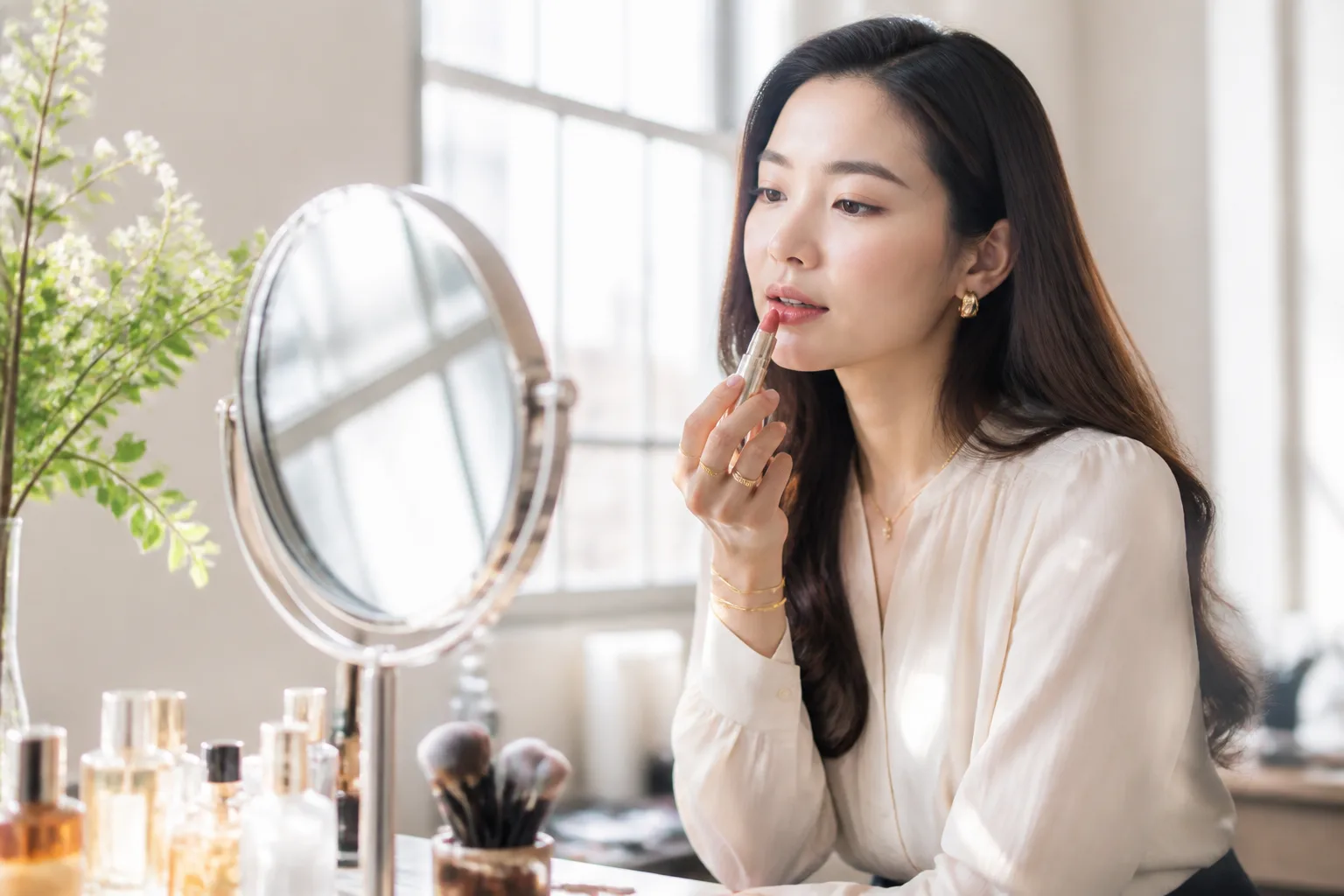
Perhaps femininity feels strongest when it is chosen for you in fantasy. Perhaps it stays after the fantasy ends, quietly waiting at the mirror. Those experiences can overlap, but neither gives another person permission to define you.
Desire can come from aesthetics, relief from masculine expectations, erotic symbolism, submission, curiosity, or a genuine need to live more femininely.
Only the individual can explore what the experience means to them.
Excitement Is Information, Not a Diagnosis
Arousal can intensify feelings, but it is not a clinical test for identity.
Notice whether the wish appears only in erotic settings, in ordinary daily life, or across many situations.
Neither pattern is more legitimate; they simply point to different questions.
Expression and Identity Are Different
Gender expression includes clothing, voice, grooming, posture, and social style. Identity concerns who a person understands themselves to be.
A man can enjoy feminine expression. A transgender woman may first discover herself through clothing. A nonbinary person may combine elements without choosing either pole.
The same action can carry different meanings for different adults.
Questions Worth Sitting With
How do you feel after the excitement fades? Does femininity bring calm, recognition, playfulness, or pressure? Would you still want some of it in a nonsexual setting?
There is no deadline to answer. Journaling and speaking with a gender-affirming professional may help when distress or confusion becomes persistent.
Notice What Happens Outside Arousal
Erotic intensity can make an idea feel urgent and absolute. When the body settles, the meaning may change. Some people lose interest until the next fantasy; others continue wanting softer clothes, a feminine name, different pronouns, or a more feminine life.
Neither response is a test you can pass or fail. It is information. Observe the pattern over weeks and months rather than treating one exciting evening as a permanent declaration.
Ask whether femininity brings relief, recognition, play, beauty, or escape. Relief from masculine expectations is not automatically a wish to become a woman, but persistent comfort in being recognized as feminine deserves honest attention.
Do Not Let a Dominant Name Your Identity
In consensual role-play, a dominant may use transformation language because both adults find it exciting. Outside the agreed scene, however, your identity remains yours.
A person who insists that arousal “proves” you are secretly a woman may be projecting a fantasy onto you. The same is true of someone who insists you must remain a man because your exploration began erotically.
An ethical dominant can hold tension without stealing your answer. I may challenge your assumptions, darling, but my desire does not give me ownership of your inner life.
When Extra Support May Help
If questions about gender create persistent distress, isolation, or difficulty functioning, a qualified gender-affirming mental-health professional can offer a private space to explore them. Their role is not to push a predetermined outcome.
Education, therapy, community, and erotic exploration serve different purposes. Knowing which kind of support you are seeking prevents disappointment and protects your boundaries.